
COURSE TOUR
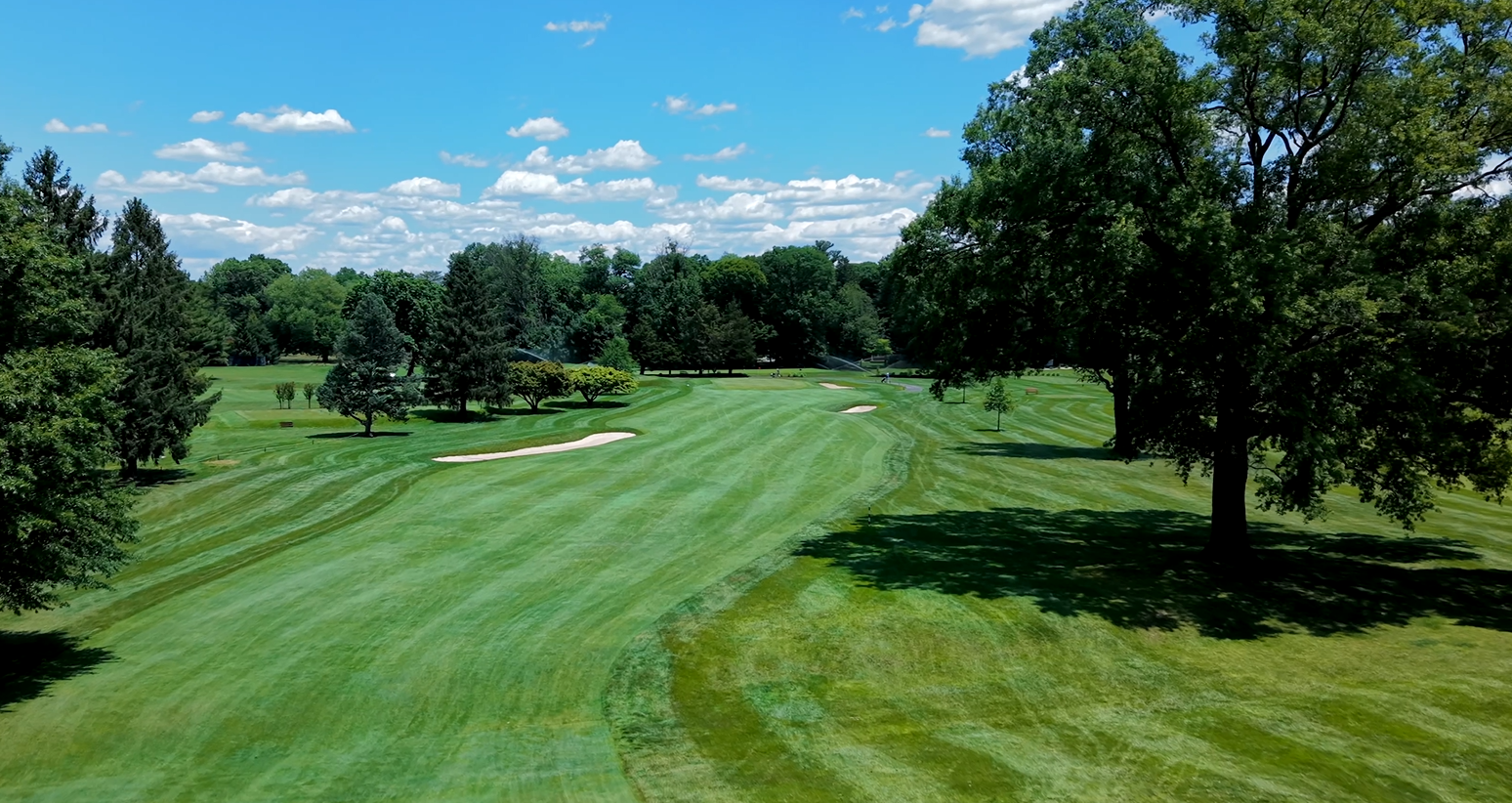
Hole 1 - Par 4 (316–322 yds)
A short but strategic opener. This dogleg right par 4 plays around a large oak tree guarding the right side. Fairway bunkers protect both the left and right sides of the fairway, demanding accuracy off the tee. The green, which appears relatively flat at first glance, features subtle slopes from front to back and left to right. It is well protected by bunkers on the right and beyond, while a deep grass hollow to the left separates this green from the seventh green.
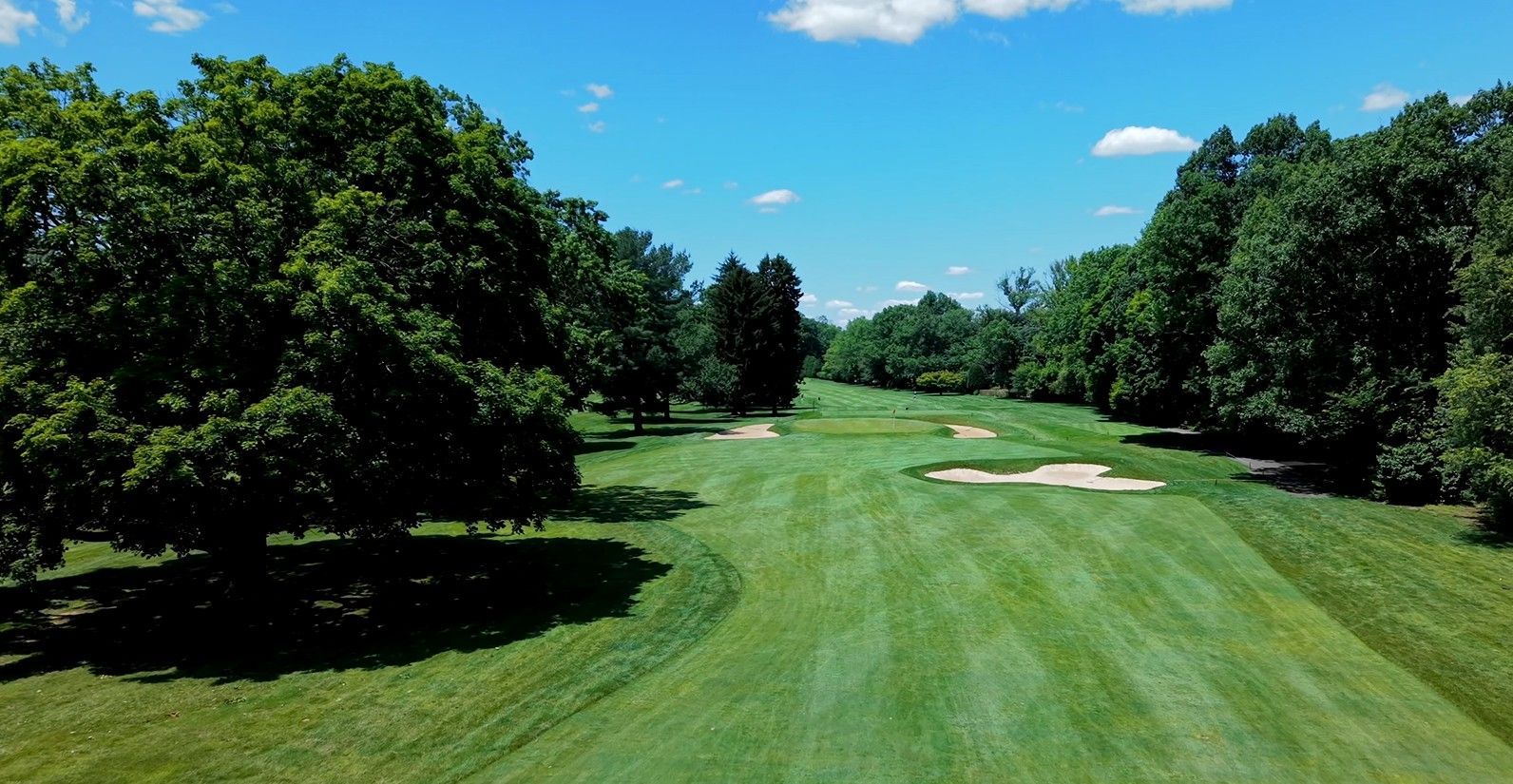
Hole 2 – Par 4 (310–312 yds)
The second hole is a straightaway par 4 with out of bounds running the entire length of the right side. A fairway bunker on the right challenges longer hitters, while a mature maple on the left tightens the landing area. The small green slopes from back to front and is guarded by bunkers on both sides, placing a premium on a precise approach.
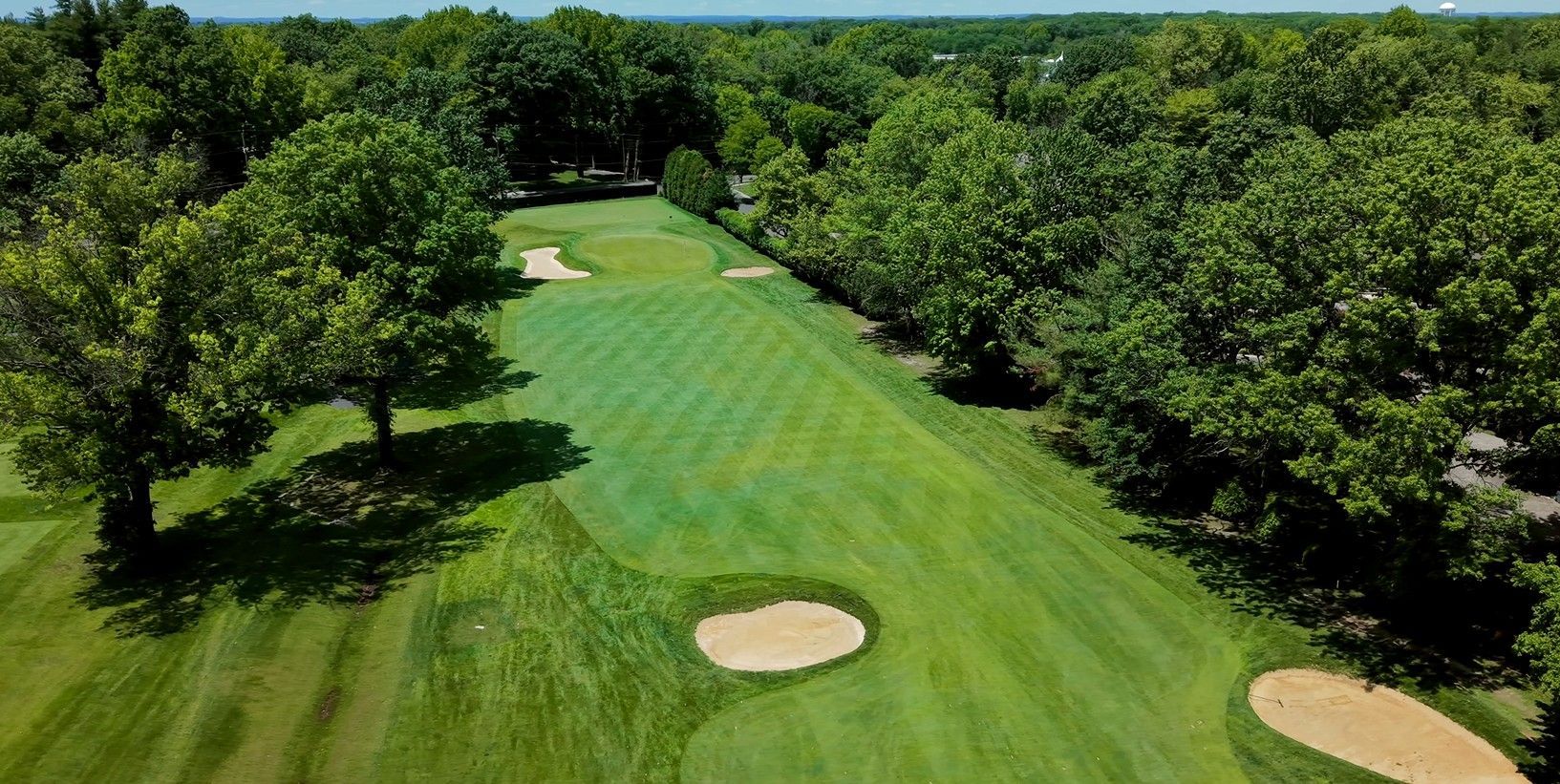
Hole 3 - Par 4 (319–370 yds)
The third hole, a par 4, presents a tight driving corridor. A bunker on the left blocks the fairway, while another on the right has saved many shots from the out of bounds that looms along that side. A drainage swale and a line of trees eliminate any safe bailout to the left. The two-tiered green is especially quick from above the hole, making proper positioning essential.
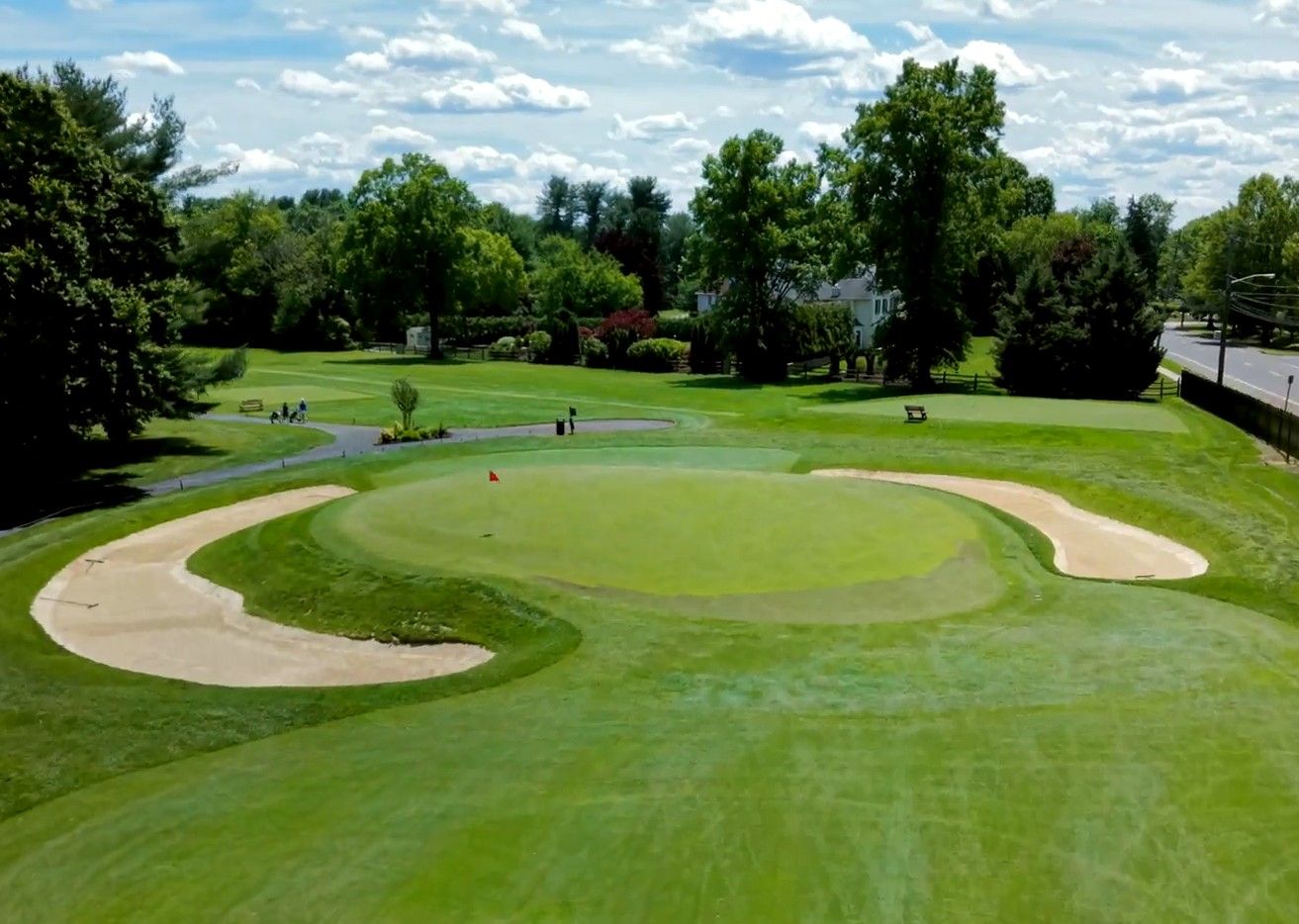
Hole 4 – Par 3 (135–150 yds)
The fourth hole, the first par 3 on the outward nine, offers little margin for error. Out of bounds runs along the right side, while deep bunkers surround the green on the front, left, right, and back. A tightly mown runoff area beyond the green makes recovery shots particularly difficult, demanding both precision and control.
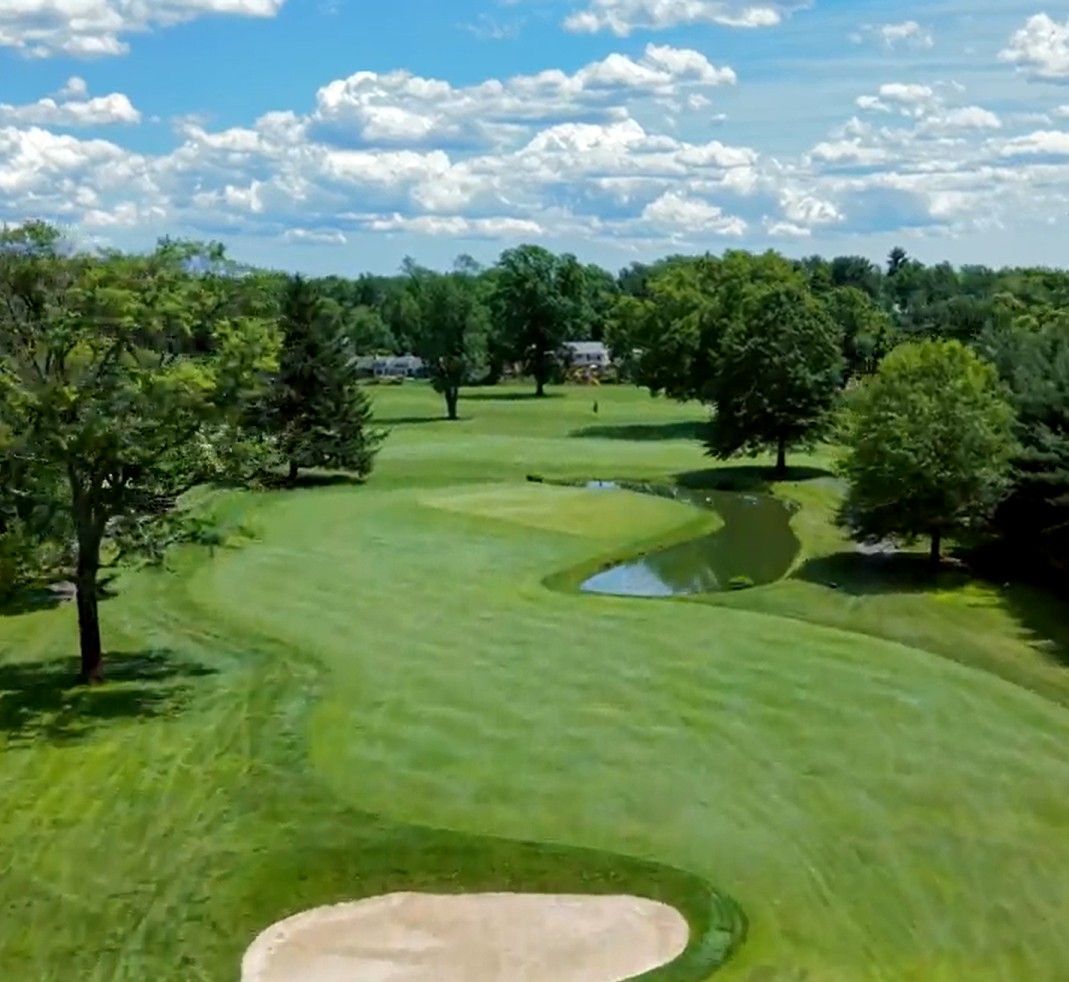
Hole 5 – Par 4 or 5 (401–462 yds)
The fifth hole is a relatively short par 5 highlighted by a pond that wraps around the right and rear of the green. A water hazard lines the right side of the fairway, and a strategically placed bunker challenges layup decisions. Aggressive play can quickly find trouble, while a well-managed approach provides a strong opportunity to score.
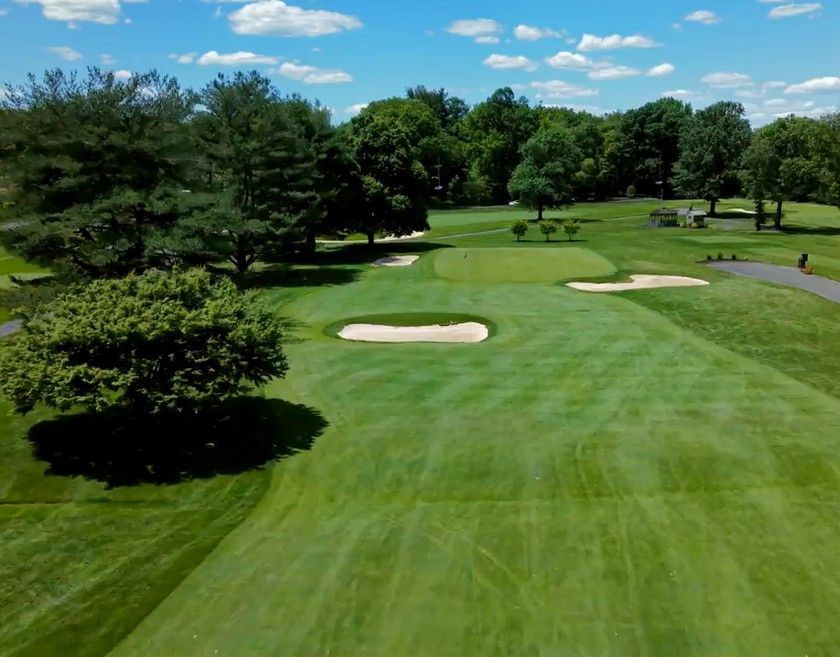
Hole 6 – Par 4 or 5 (412–480 yds)
The sixth hole, the number one handicap hole on the course, is a long par 4 featuring five bunkers from tee to green. Three fairway bunkers come into play on both the drive and approach, leading to a severely sloped green that runs from back to front. Two additional greenside bunkers further defend this demanding hole.
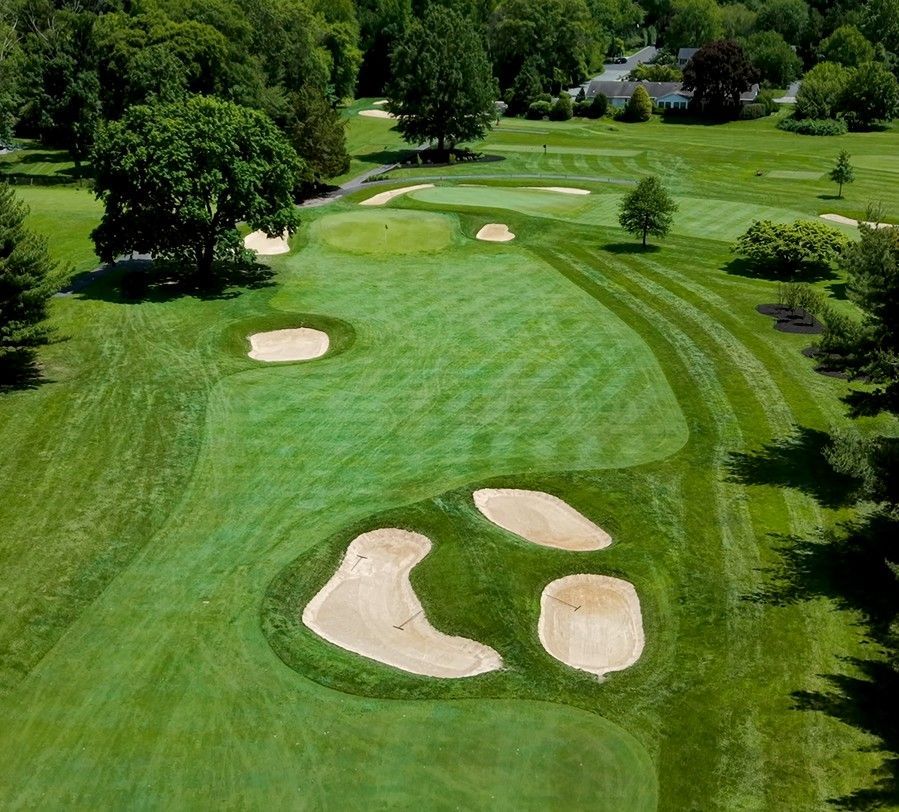
Hole 7 – Par 5 (519–550 yds)
The seventh hole is a challenging par 5 that offers a classic risk-reward second shot. A cluster of bunkers forces players to decide between a safe layup to approximately 130 yards or a more aggressive play setting up a shorter third. Deep bunkers line both sides, and the green slopes from back to front. The grass hollow shared with the first hole makes recovery from long particularly difficult.
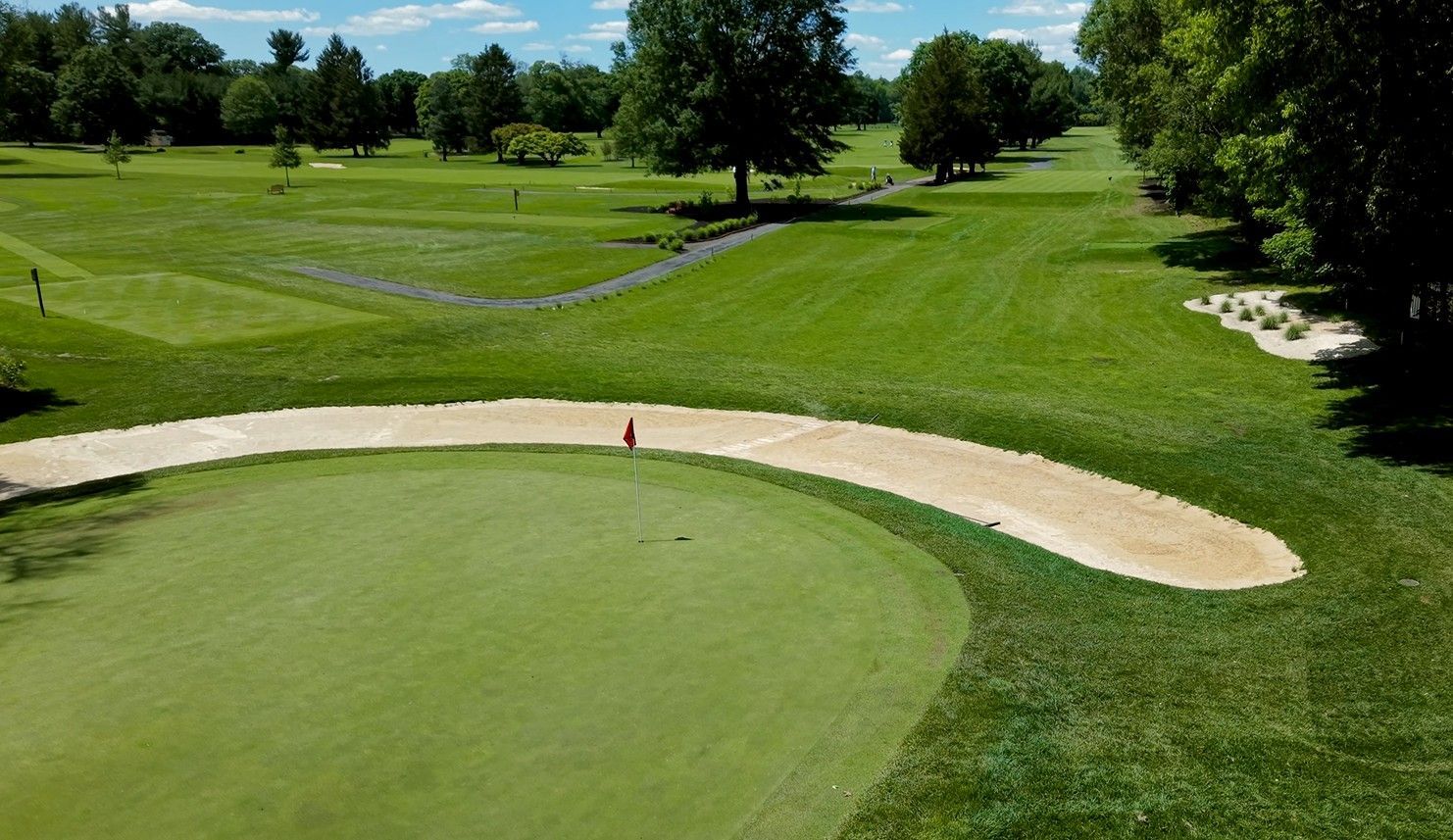
Hole 8 – Par 3 (116–143 yds)
The eighth hole blends classic design with modern challenge on this memorable par 3. An elevated green is encircled by a “moat” bunker that surrounds nearly the entire putting surface. Beyond the bunker lies out of bounds and a penalty area. The green features subtle movement and is most manageable when approached from below the hole.
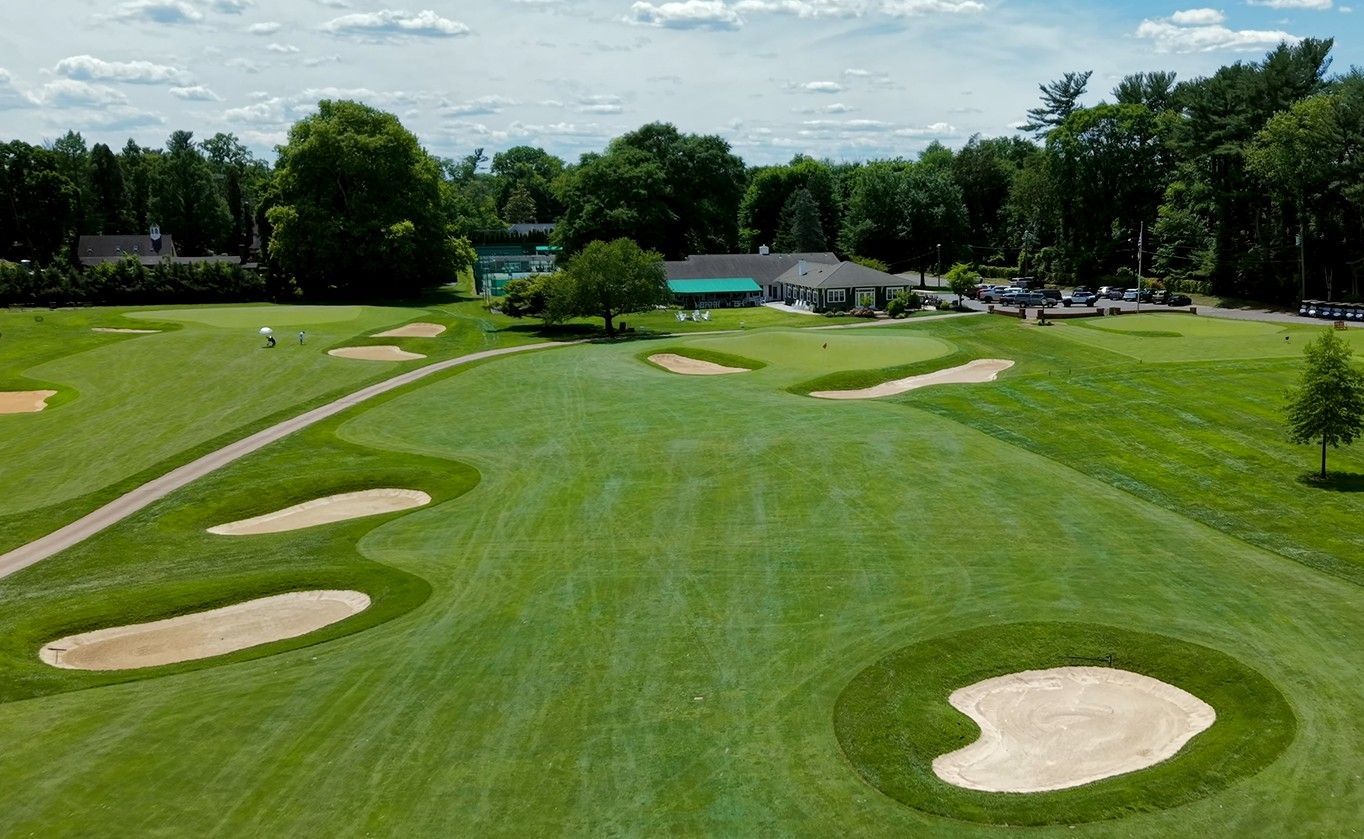
Hole 9 – Par 4 (345–385 yds)
The ninth hole is a straightaway par 4 that requires accuracy off the tee. Multiple fairway bunkers and a drainage swale narrow the landing area, while out of bounds and a penalty area threaten the left side. The large oak from the first hole comes into play on errant drives to the right. The green is defined by a prominent back mound that creates two distinct sections, making club selection and approach placement critical.